
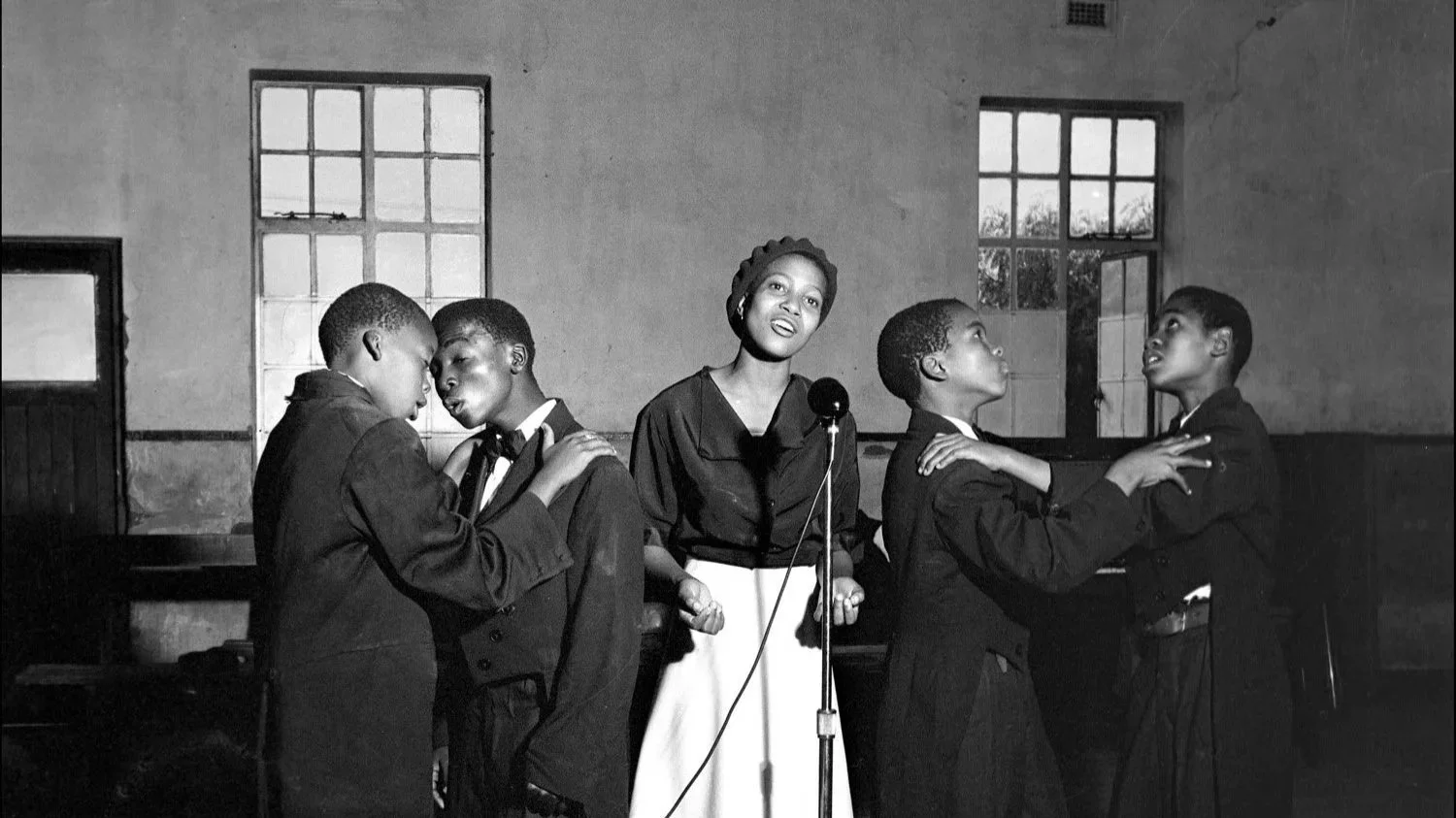
Jürgen Schadeberg
Jürgen Schadeberg is considered a founding father of South African photography. As the chief photographer and art director of Drum Magazine, Schadeberg created powerful photographs that document black social and political life during apartheid and after.
The prints offered are specially curated, high-quality vintage prints, including some of the last prints in limited editions. All prints are archival silver gelatin prints, printed by Jürgen Schadeberg in his darkroom. These historically significant photographs document South Africa during the apartheid era, capturing pivotal moments in the struggle for freedom and the vibrant cultural life that persisted despite oppression.
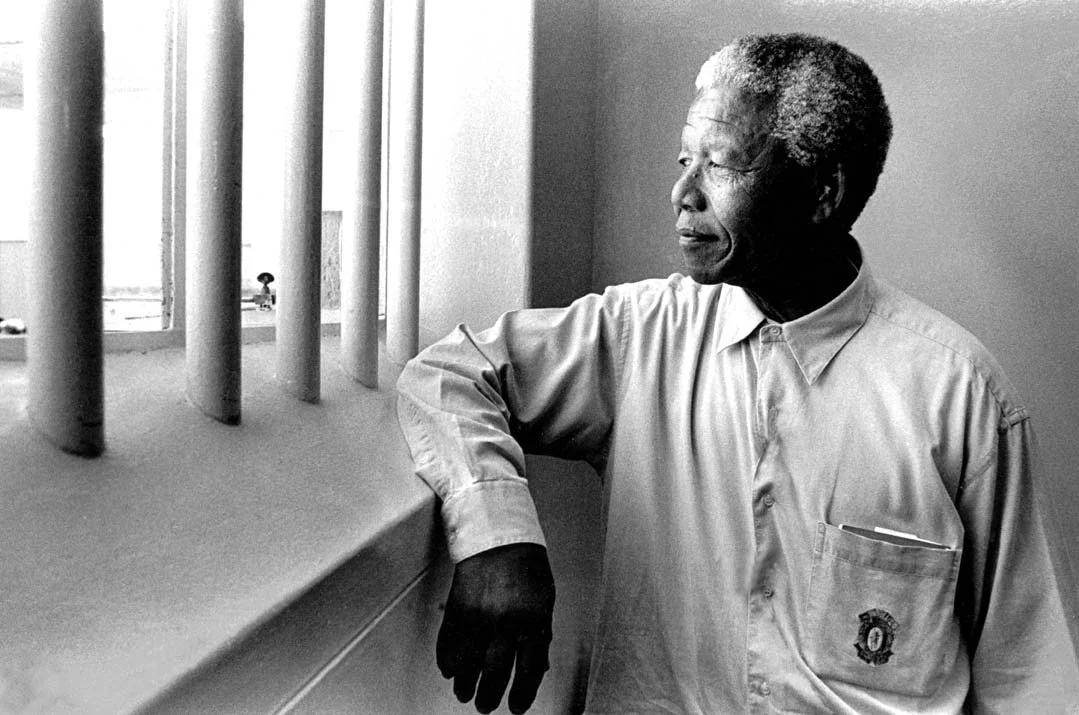
Nelson Mandela's Return to his Cell, Robben Island Prison
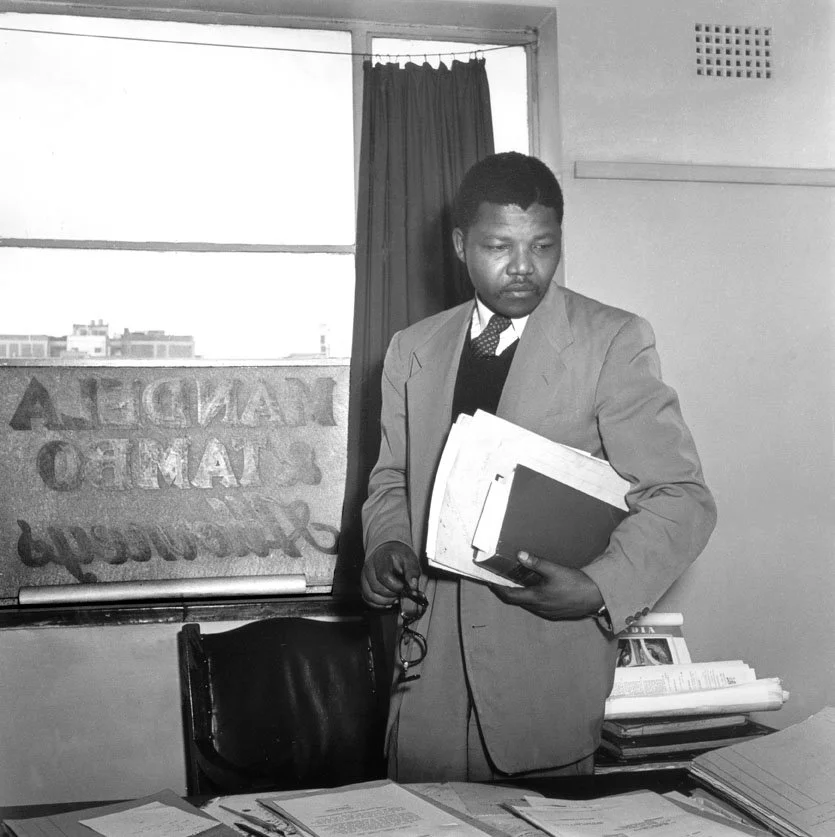
Nelson Mandela in his Law Office, Johannesburg
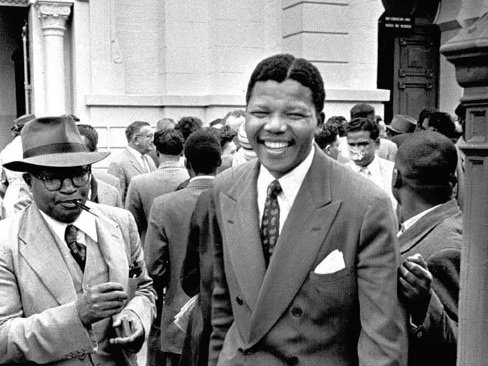
Nelson Mandela (Moses Kotane on left) at Treason Trial
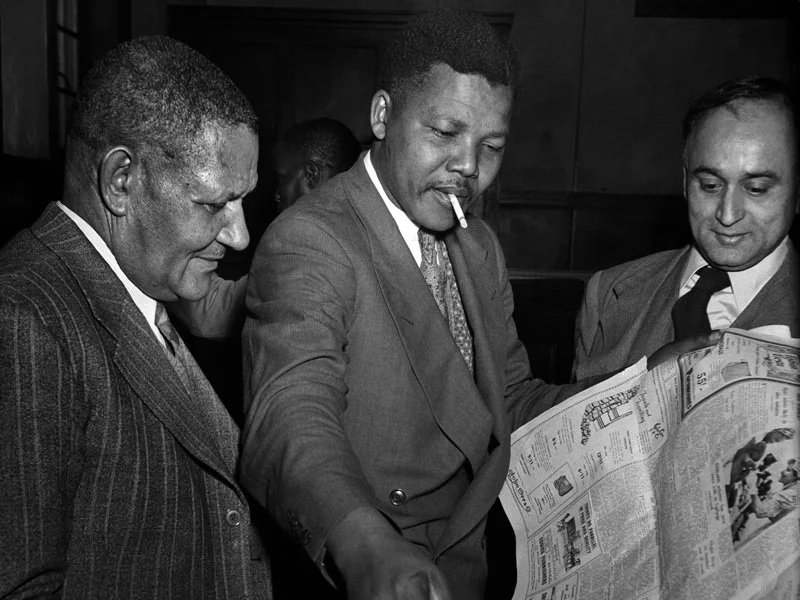
Nelson Mandela (flanked by Dr. Moroka, Yusuf Dadoo)
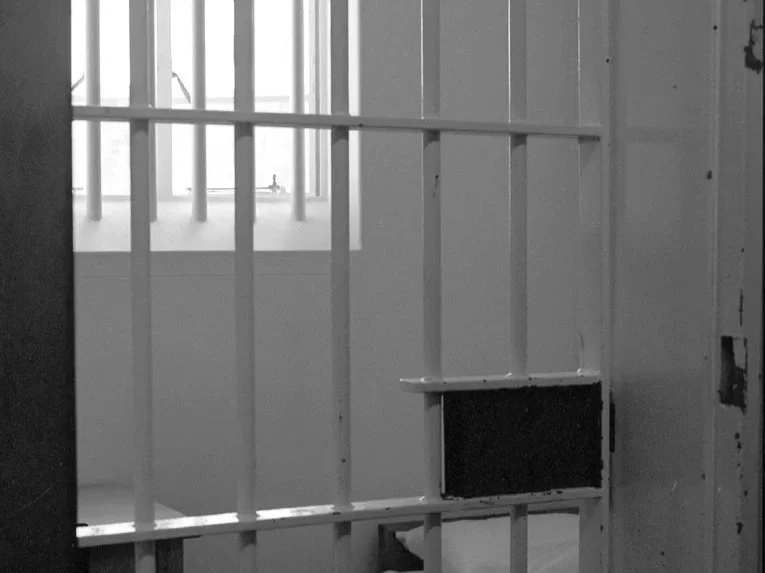
Nelson Mandela's Cell on Robben Island
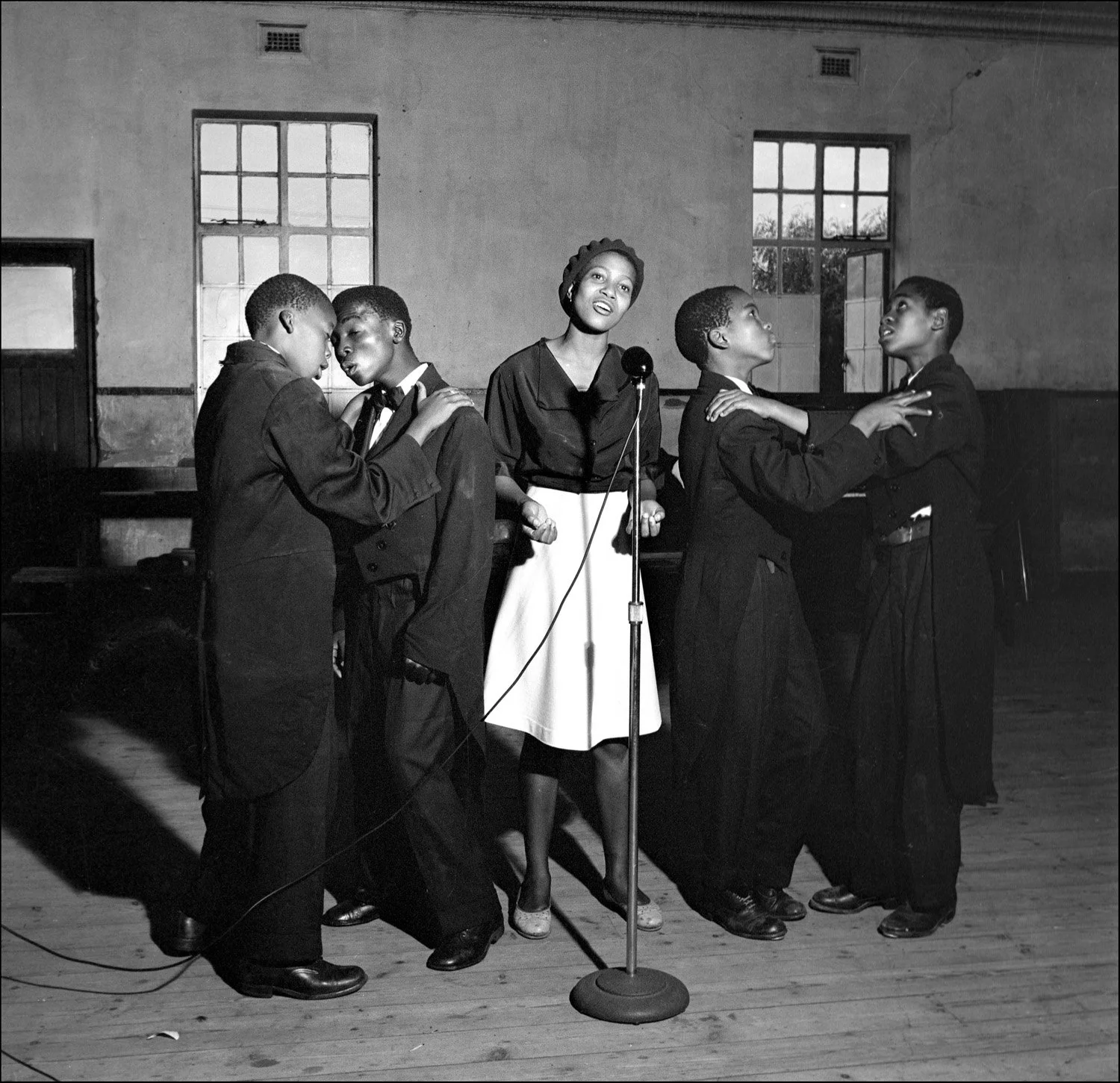
Midnight Kids, Sophiatown
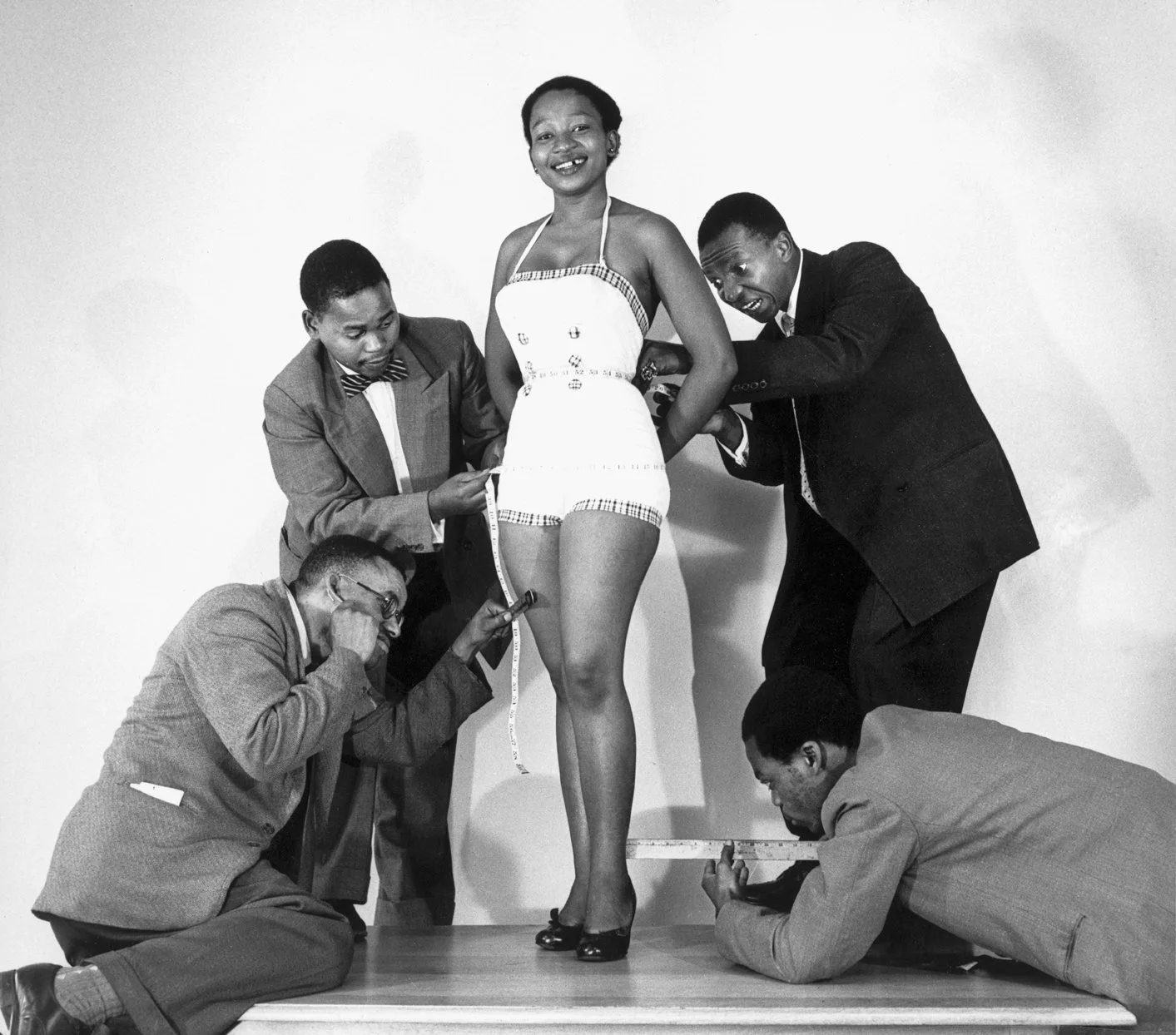
Measuring Up for Drum Cover - by Drum Crew
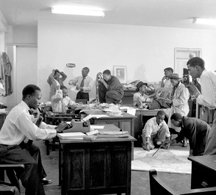
Drum Office
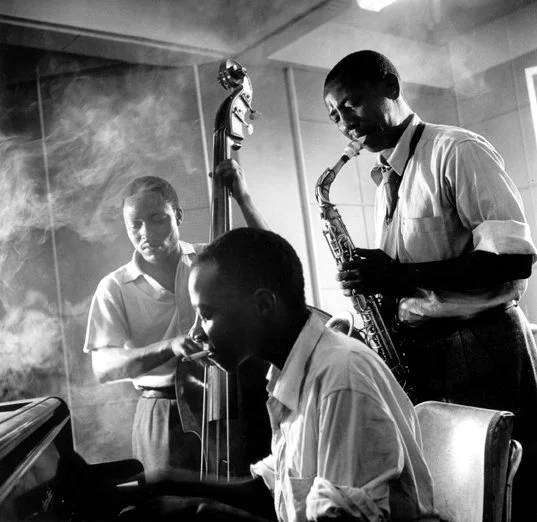
The Three Jazzolomos
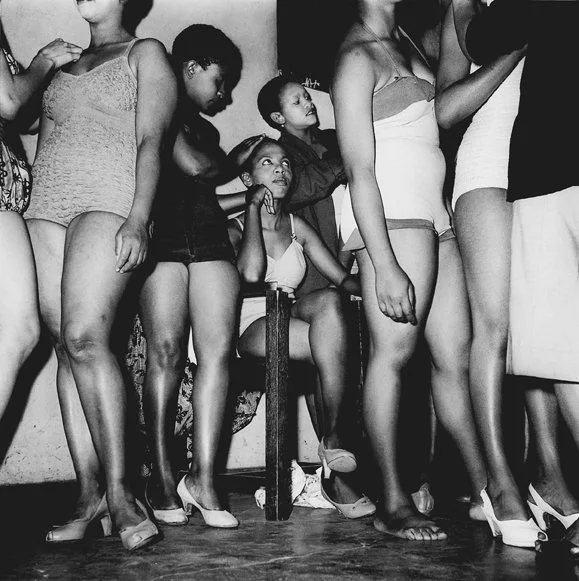
Beauty Contest, Sophiatown
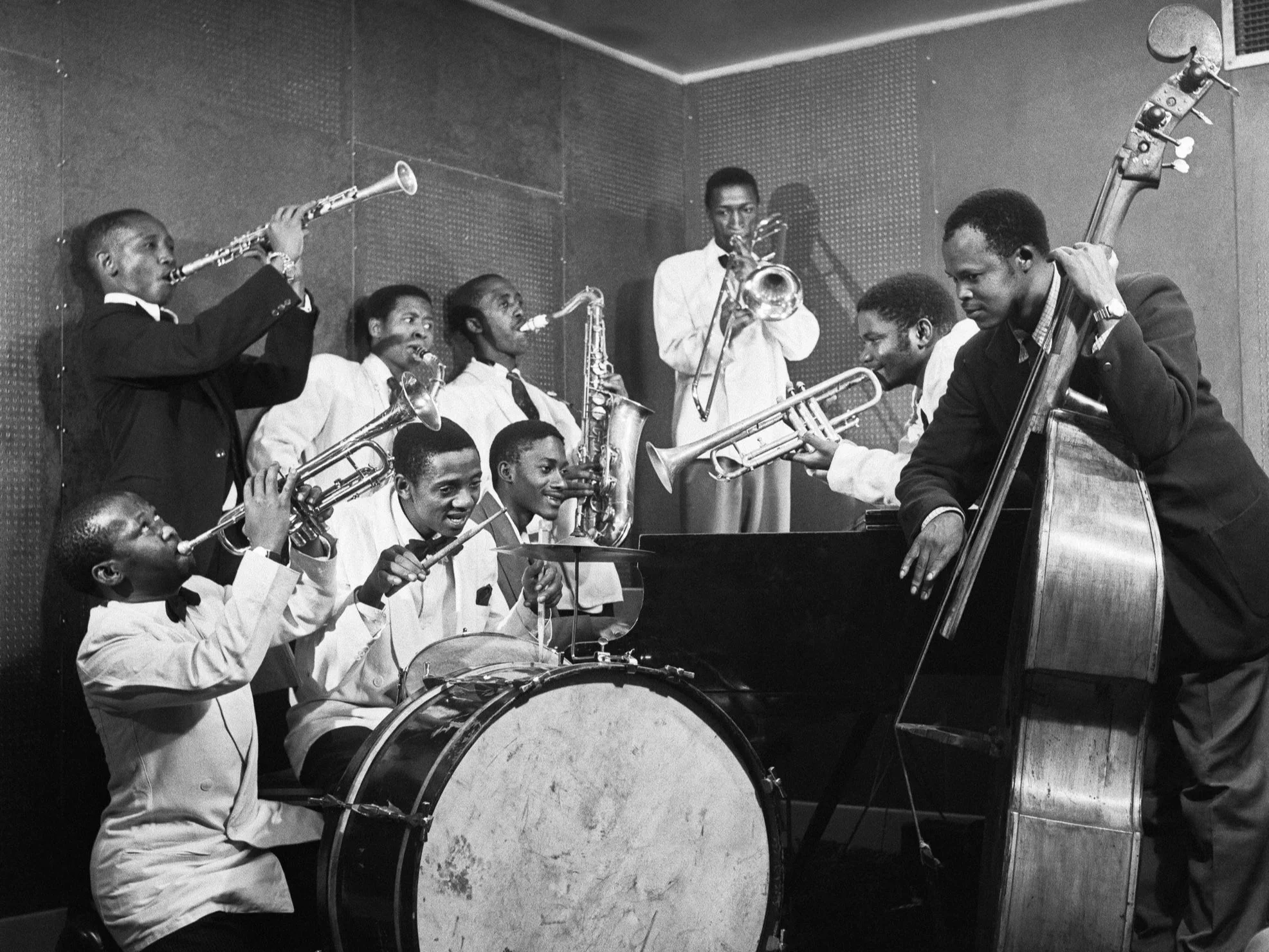
The Harlem Swingsters, Johannesburg
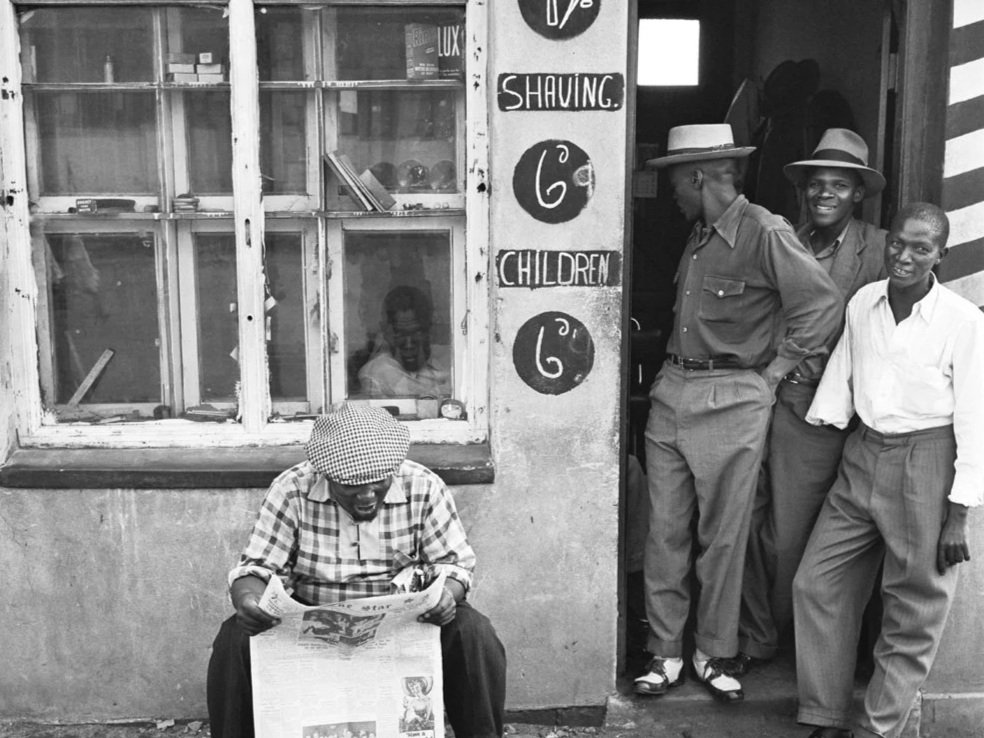
Barber Shop, Sophiatown
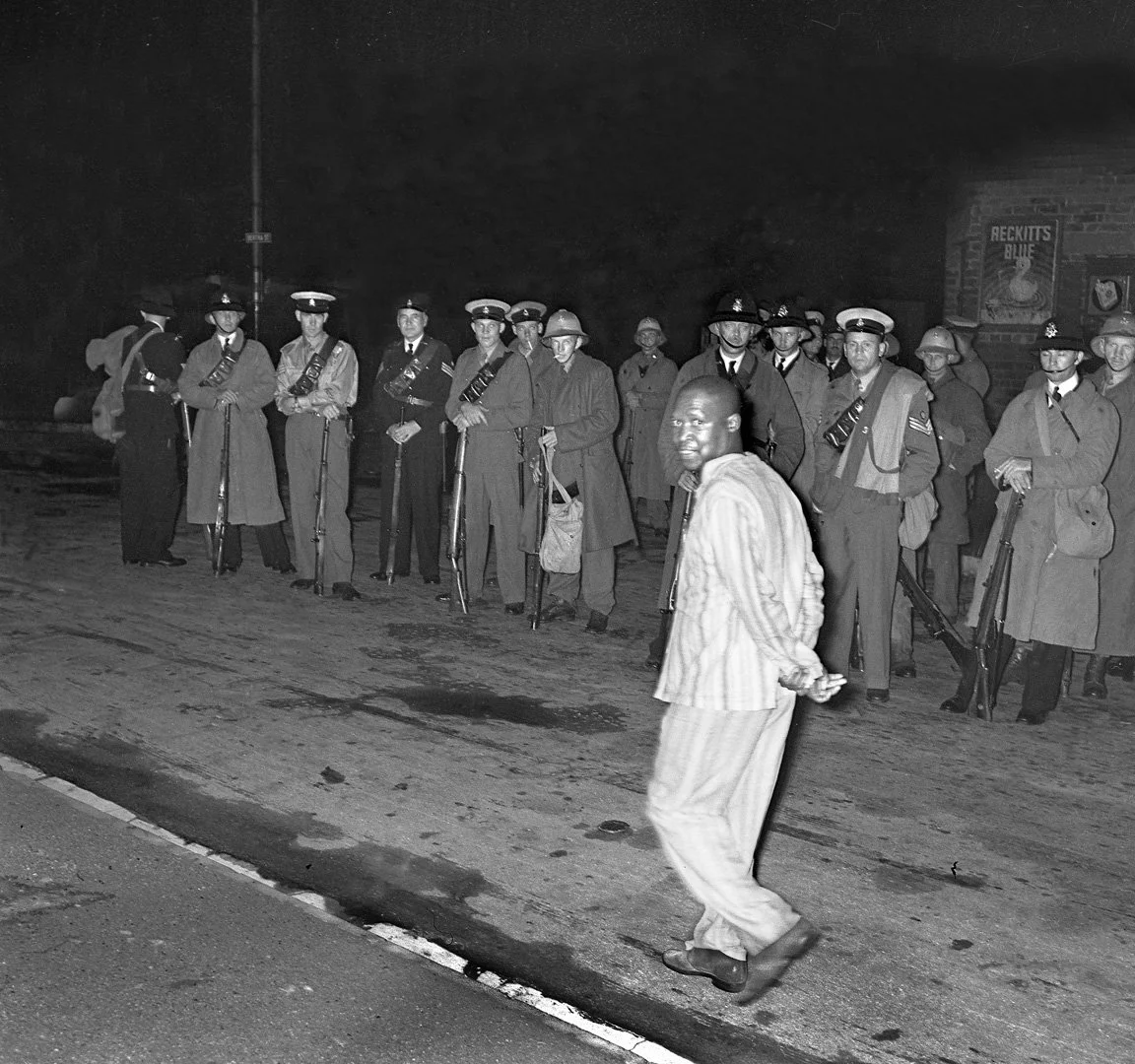
Pyjama Man, Sophiatown Removals
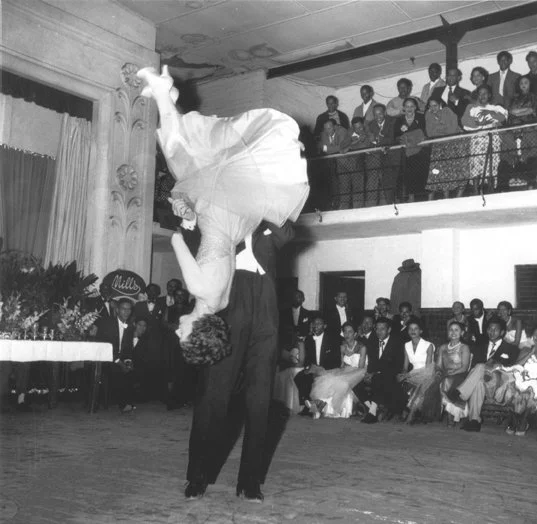
Ballroom Acrobatics
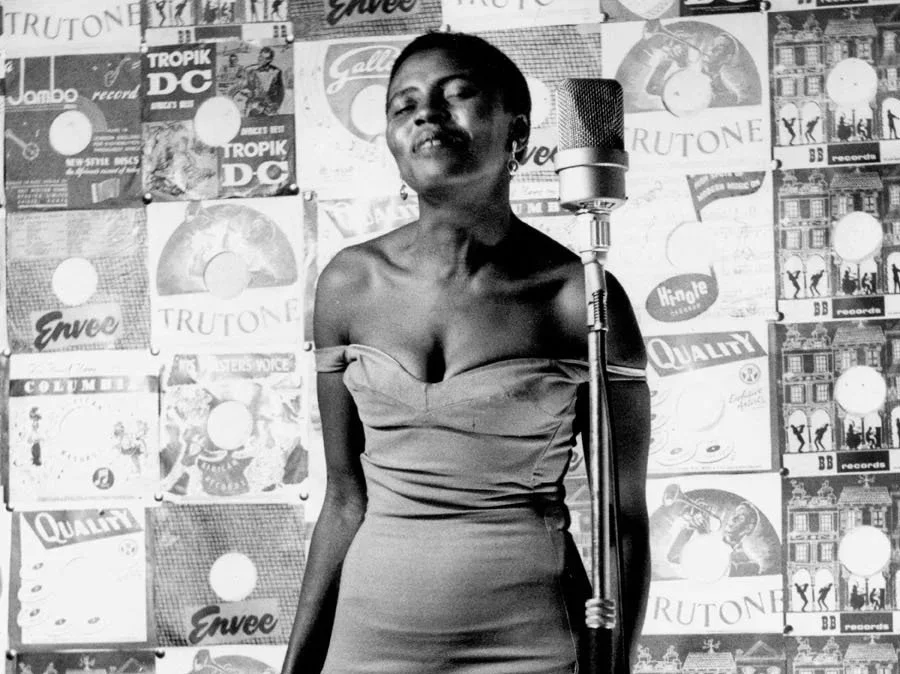
Miriam Makeba
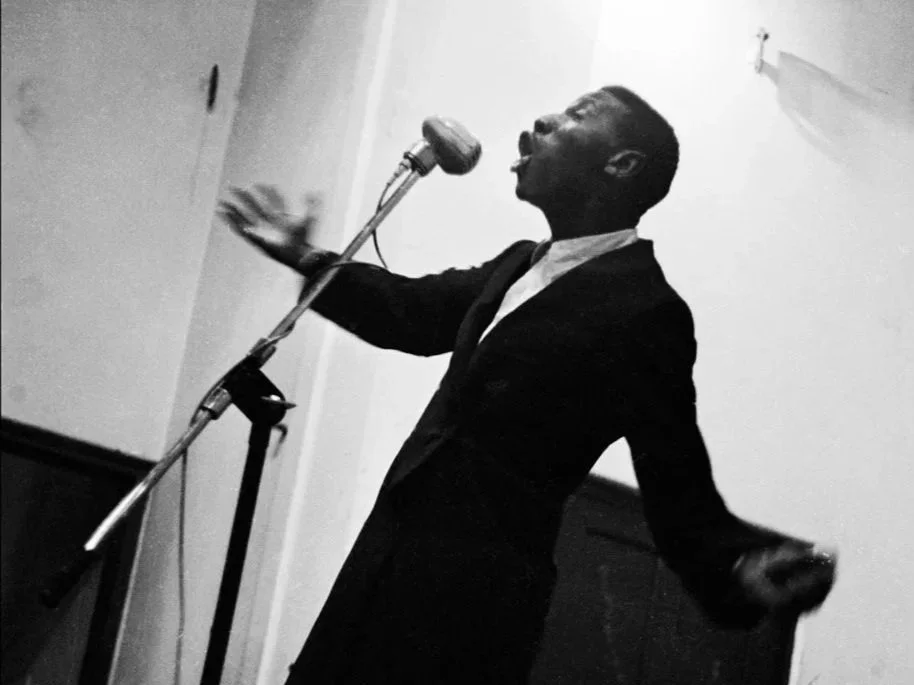
"Dam Dam", Nathan Dambuza Mdledle, Leader of the Manhattan Brothers
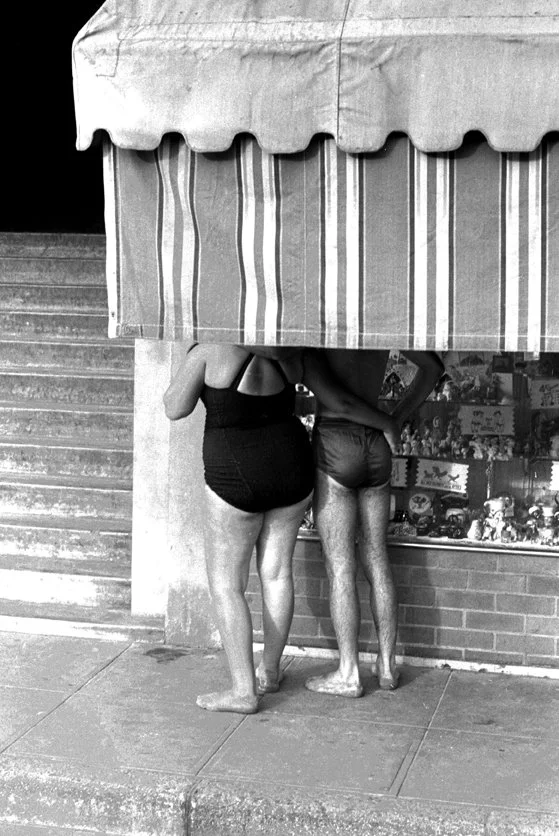
Durban Couple Window Shopping
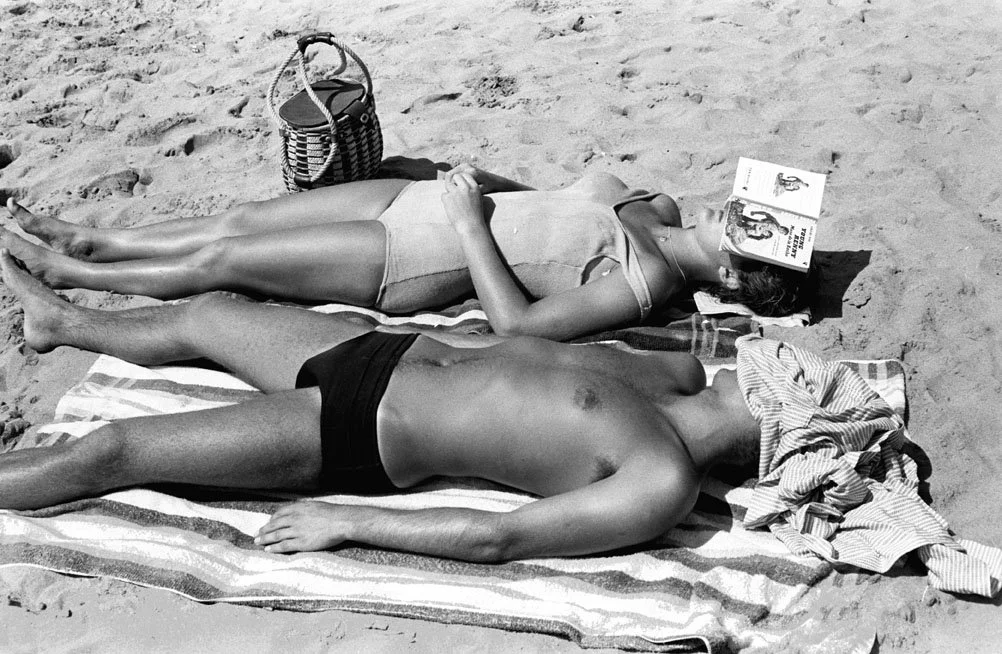
Sun worshippers, Durban
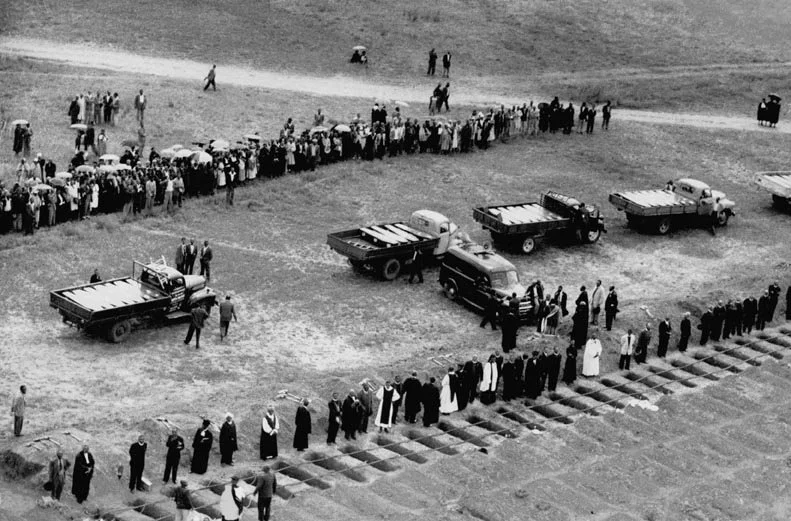
Sharpeville Funeral
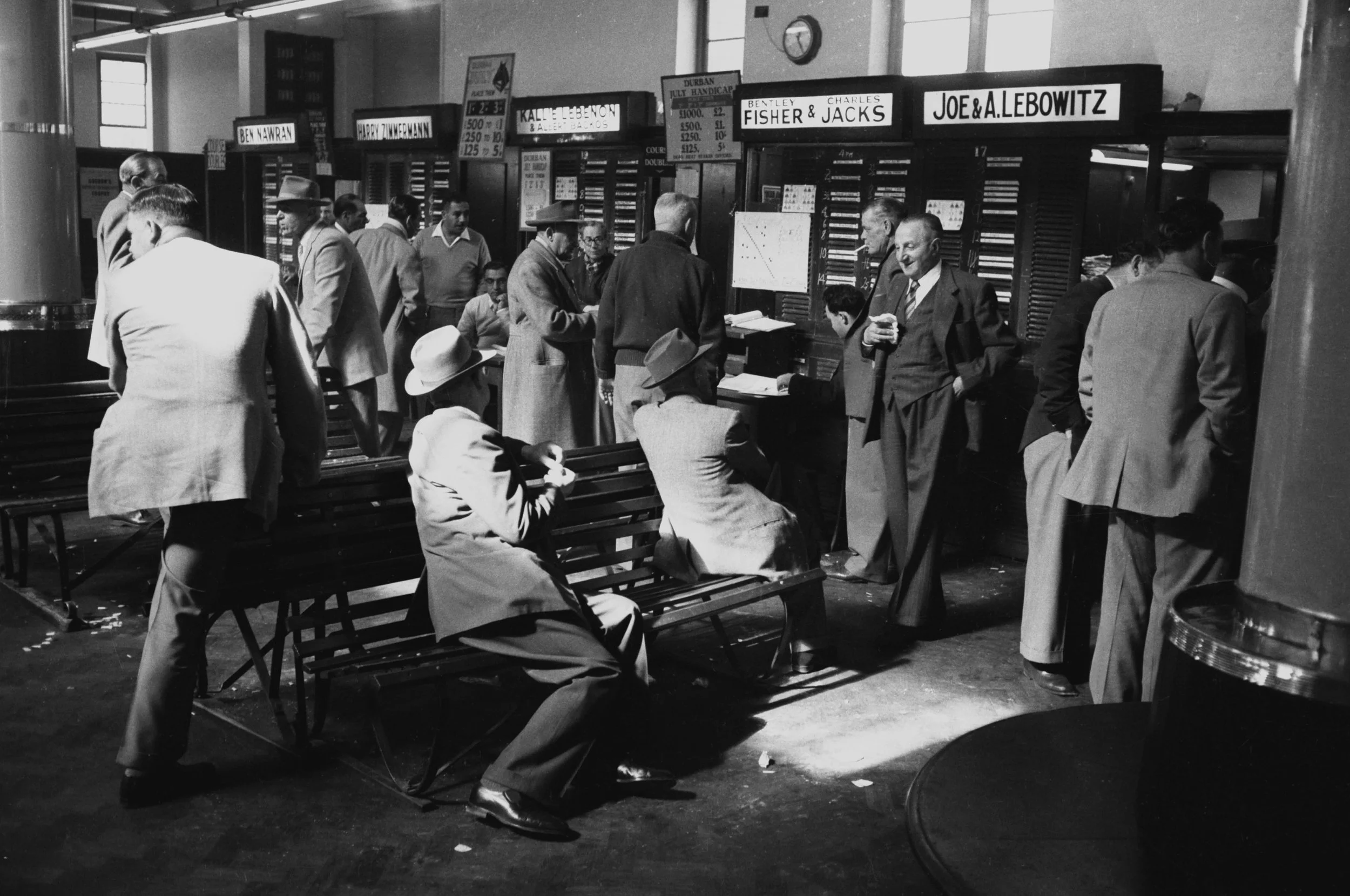
Betting Shop, Johannesburg
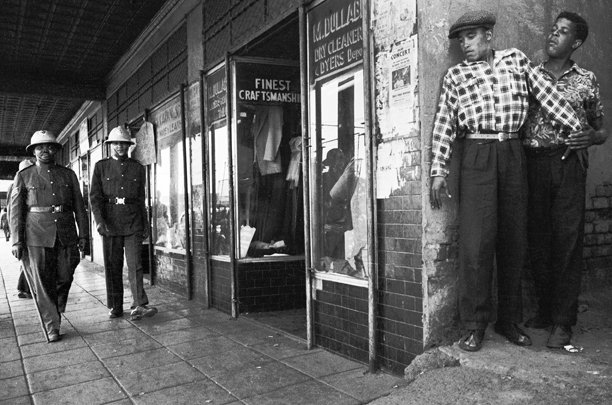
Avoiding the Pass, Johannesburg
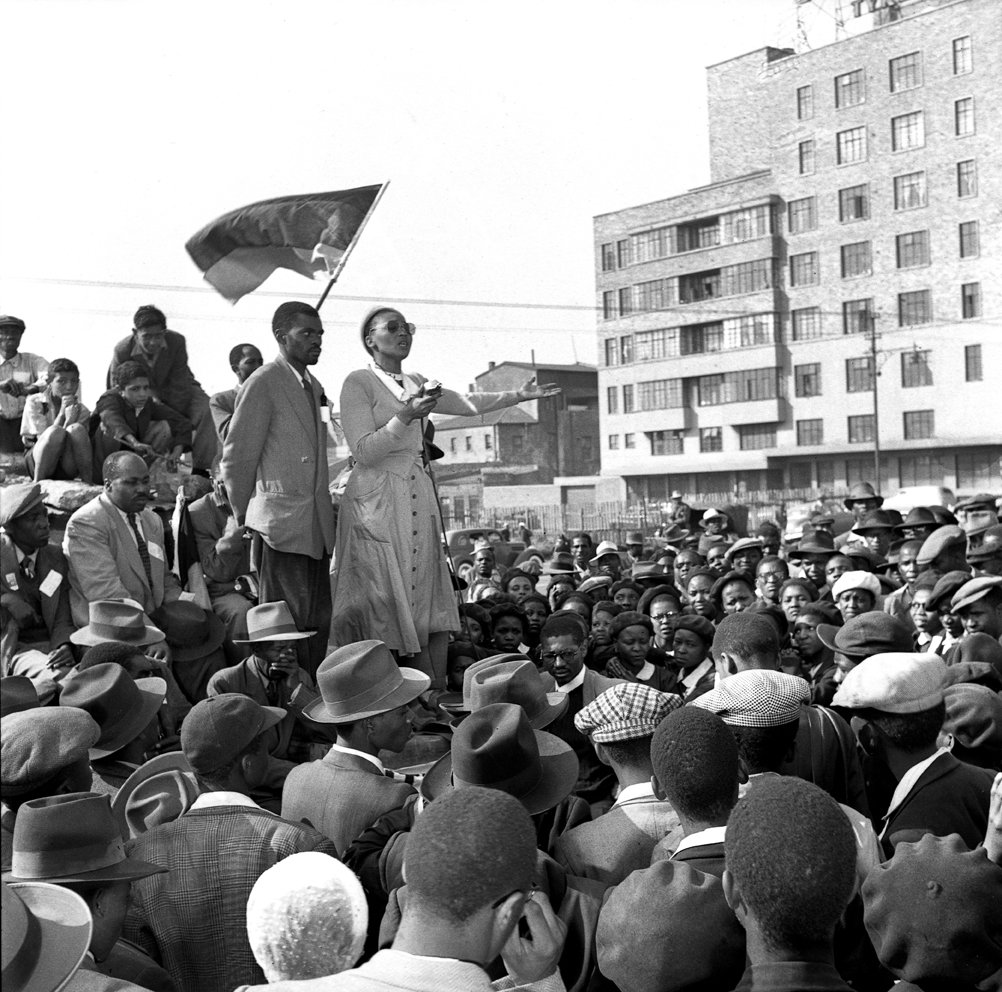
Violet Hashe, Defiance Campaign, Johannesburg
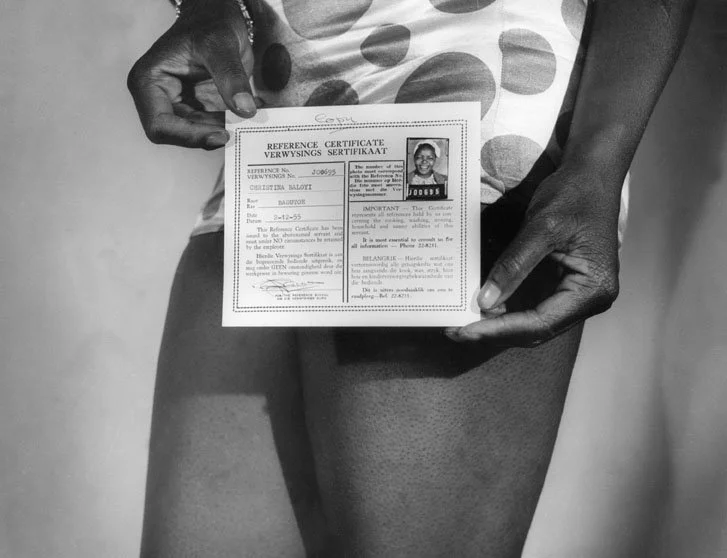
Women Had to Carry Passes
BIOGRAPHY Jürgen Schadeberg (1931–2020) emigrated from Germany to South Africa in 1950 at age 19 to join his mother, carrying little more than a suitcase and his Leica IIIa camera. He arrived in a country deeply divided by a newly established apartheid system. At the same time, he discovered an extraordinary jazz scene and cultural renaissance among Black South Africans. At Drum Magazine — the pioneering publication dedicated to Black urban life and culture in South Africa — Schadeberg became chief photographer, picture editor, and art director. There, his journalistic openness and genuine respect for his subjects gave him unprecedented access to document what most white photographers never could: the vibrant jazz scene, political resistance, and daily life under oppression in segregated neighborhoods. Schadeberg not only photographed and designed the magazine but also worked with celebrated photographers, including Ernest Cole and Peter Magubane. For a decade, he created iconic images of Nelson Mandela, Miriam Makeba, the Defiance Campaign of 1952, the Treason Trial of 1958, and the Sharpeville Massacre funeral in 1960. Forced to leave South Africa in 1964 due to surveillance, personal harassment, and growing civil unrest, he spent two decades freelancing across Europe and America. He returned in 1985 to document democracy's promise and its challenges, continuing his work until 2007. His photographs are collected by major museums worldwide, including the Tate, Victoria and Albert Museum, and International Center of Photography, which honored him with the Cornell Capa Lifetime Achievement Award (2014). He received the Leica Hall of Fame Award in 2018.